Cave Creek, Arizona, offers a unique exploration of geological and ecological diversity within the Sonoran Desert. The Rock Formation Trail showcases ancient sedimentary layers, limestone cliffs, and striking erosional patterns. Visitors can observe resilient desert plants, bighorn sheep, and diverse aquatic life. Balancing natural beauty with accessibility, Cave Creek attracts hikers year-round. Its unique flora, fauna, rock formations, and cultural heritage make it a destination for sustainable exploration and conservation efforts to preserve these wonders for future generations. What to see in Cave Creek naturally includes these multifaceted attractions, providing insights into the region's history and ecological interplay.
The Rock Formation Trail, nestled within the stunning landscapes of Cave Creek, offers a captivating journey for outdoor enthusiasts and nature lovers alike. This trail isn’t merely a path; it’s a gateway to understanding the geological wonders that shape our world. The area’s unique rock formations, sculpted by millions of years of erosion, provide an opportunity to witness the raw beauty of Earth’s history. However, the trail faces challenges from overuse, impacting the very features that make it so special. This article delves into what makes this trail a hidden gem, exploring its ecological significance and proposing sustainable strategies for visitors to appreciate its natural splendor while preserving its integrity, ensuring Cave Creek’s iconic rock formations remain awe-inspiring for future generations.
- Unveiling Cave Creek's Geologic Wonders: A Journey Begins
- Exploring the Diverse Ecosystems: Nature's Hidden Gems in Cave Creek
- The Historical Trail: Uncovering Cave Creek's Past and Its People
- Unique Rock Formations: What to Expect Along the Path
- Sustainable Exploration: Tips for Responsible Visiting of Cave Creek
Unveiling Cave Creek's Geologic Wonders: A Journey Begins
Unveiling Cave Creek’s Geologic Wonders: A Journey Begins
Cave Creek, nestled within the vibrant Sonoran Desert landscape, is a destination that captivates both outdoor enthusiasts and science aficionados alike. This captivating stretch of terrain offers an unparalleled opportunity to witness the Earth’s intricate storytelling through its rock formations and geological marvels. What makes Cave Creek so extraordinary is not just the array of desert sights but also the natural laboratory it presents for understanding millions of years of geological history. Geologists and nature lovers alike can embark on a transformative journey, exploring the region’s unique characteristics and uncovering its hidden narratives.
The area’s rock formations serve as a testament to the dynamic processes that have shaped Arizona’s geography over millennia. From ancient sedimentary layers to dramatic erosional patterns, Cave Creek provides a comprehensive display of the Earth’s geological evolution. One of the most striking features is the presence of limestone cliffs and caves, formed by the dissolution of soluble rocks over extended periods. These natural wonders, coupled with the region’s diverse flora and fauna, create a visually stunning and ecologically rich environment. Visitors can expect to witness not only the raw beauty of the desert but also evidence of its delicate balance between rugged landscapes and thriving ecosystems.
For those eager to delve deeper into Cave Creek’s geological wonders, exploring these formations through guided hikes or self-guided tours offers a rewarding experience. Local organizations and park rangers often host educational programs that provide insights into the region’s geology and ecology. By participating in these activities, visitors can gain a deeper appreciation for the natural history of the area and understand the intricate interplay between geological forces and the life that thrives within the desert ecosystem. These experiences highlight not just what to see in Cave Creek but also the importance of preserving and understanding our planet’s remarkable stories.
Exploring the Diverse Ecosystems: Nature's Hidden Gems in Cave Creek
Exploring Cave Creek’s Diverse Ecosystems: Nature’s Hidden Gems
Cave Creek, nestled within the Sonoran Desert landscape of Arizona, offers a captivating journey through its unique geological formations and thriving ecosystems. This area is a testament to millions of years of tectonic activity and natural forces that have sculpted the region. The Rock Formation Trail in Cave Creek is an ideal gateway into this hidden natural world. Here, visitors can expect to witness a diverse array of desert sights, from towering rock spires to vibrant wildflower meadows.
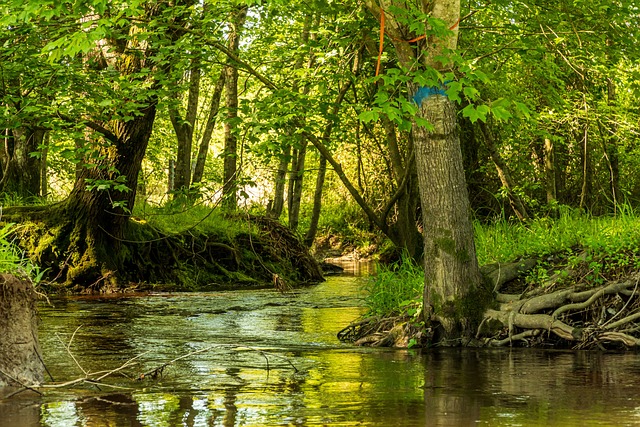
The trail meanders through various microclimates, showcasing the adaptability and resilience of desert plants and animals. One of the standout features is the presence of creosote bush, a key indicator species of the Sonoran Desert, known for its ability to survive extreme conditions. Along the way, hikers might spot iconic desert residents like the bighorn sheep, who have made this rugged terrain their home. The creek itself, despite its name, is often a faint trickle, but it supports a rich aquatic ecosystem, including various fish species and an array of bird life that depends on its water sources.
What sets Cave Creek apart is its ability to blend raw natural beauty with accessibility. The trail’s well-maintained paths make it suitable for hikers of all skill levels. In addition to the Rock Formation Trail, nearby areas like the Cave Creek Regional Park offer more extensive outdoor recreation opportunities, further emphasizing the region’s value as a year-round destination for nature enthusiasts. These diverse ecosystems and striking geological features not only attract visitors but also highlight the importance of conservation efforts to preserve these natural wonders for future generations to appreciate and explore.
The Historical Trail: Uncovering Cave Creek's Past and Its People
The Rock Formation Trail in Cave Creek offers a captivating journey through both the geological history of the region and its rich cultural past. As visitors traverse this scenic path, they become entangled in a narrative woven by the desert’s unique rock formations, remnants of an ancient landscape that have stood sentinel for eons. This trail is not merely about what to see in Cave Creek naturally; it’s a living testament to the resilience of both nature and humanity, where each layer of stone tells a story of environmental change and human settlement.
Along this historical trail, one encounters diverse geological features that bear witness to millions of years of desert evolution. The formations range from towering sandstone buttes to delicate petrified wood, each a vestige of a bygone era. Geologists believe these rocks were once part of vast rivers and ancient forests, slowly deposited over time as the landscape shifted and changed. This process has sculpted not just the physical geography but also the cultural tapestry of Cave Creek. The trail’s interpretive signs offer glimpses into the lives of early settlers who found solace and sustenance in this seemingly harsh environment, their stories interwoven with the desert sights they encountered.
Cave Creek Desert Sights along the Rock Formation Trail provide a unique opportunity to appreciate both the natural beauty and human heritage of the region. Visitors can expect to see petroglyphs etched onto rock surfaces, remnants of Native American inhabitants who once inhabited these lands. These ancient artworks serve as powerful reminders of the deep connection between people and place, offering insights into the spiritual and practical lives of Cave Creek’s first residents. The trail also passes by sites that bear witness to the region’s more recent history, including old mining operations and pioneer settlements, further enriching what to see in Cave Creek naturally for discerning visitors.
Unique Rock Formations: What to Expect Along the Path
The Rock Formation Trail in Cave Creek offers a unique opportunity to explore some of the most striking natural features of the region. Along this scenic route, visitors can expect to encounter a variety of rock formations that have been shaped over millions of years by wind, water, and other geological forces. One of the most notable aspects is the presence of towering sandstone buttes and spires, which stand in stark contrast to the surrounding desert landscape. These formations, some reaching heights of over 400 feet, are not only visually breathtaking but also hold significant cultural value for Native American tribes who have long considered this area sacred.
As you traverse the trail, keep an eye out for distinctive rock patterns and textures that hint at the geological history of the region. The Cave Creek Desert Sights, including the famous Red Rock formations, provide a captivating backdrop to your hike. Geologists estimate that these desert sights are approximately 170 million years old, formed during the Mesozoic Era when the area was part of a vast sea. Over time, tectonic plate movements pushed up the land, creating the dramatic cliffs and canyons we see today. The trail itself offers glimpses into this ancient history, with exposed rock layers that reveal different eras of geological activity.
Practical advice for visitors is to wear sturdy hiking boots, bring plenty of water, and be prepared for varying terrain. The Rock Formation Trail can be challenging in places, with steep inclines and loose gravel. Additionally, the desert climate can be intense during the summer months, so it’s crucial to stay hydrated throughout your hike. Remember, what to see in Cave Creek naturally includes not just the rock formations but also the diverse plant and animal life that thrives in this rugged environment. Keep an eye out for desert plants like cacti and yucca, as well as birds of prey soaring overhead. By immersing yourself in these natural wonders, you’ll gain a deeper appreciation for the beauty and resilience of our planet’s landscapes.
Sustainable Exploration: Tips for Responsible Visiting of Cave Creek
Sustainable Exploration: Tips for Responsible Visiting of Cave Creek
When venturing into the stunning landscapes of Cave Creek, it’s essential to prioritize responsible tourism practices to preserve its natural beauty and ecological integrity. This desert oasis offers a unique blend of scenic wonders, from dramatic rock formations to diverse flora and fauna—all of which require careful stewardship. Here, we provide expert insights on what to see in Cave Creek naturally, guiding you through sustainable exploration techniques that ensure your visit enriches both your experience and the environment.
One of the key aspects to consider when exploring cave creek desert sights is minimizing your ecological footprint. Opt for designated hiking trails and stick to established paths to avoid disturbing sensitive vegetation and wildlife habitats. For instance, the popular Red Rock Trail offers breathtaking views without encroaching on fragile ecosystems if trekkers adhere to its well-marked route. Additionally, carry all your waste with you until you reach a proper disposal facility to prevent pollution of this pristine environment.
Respecting local ecosystems extends beyond trail etiquette. Cave Creek is home to a diverse array of plant species, many of which are endemic to the region. When observing what to see in cave creek naturally, take time to appreciate the intricate details of each plant without disturbing them. For example, the vibrant desert marigolds and towering saguaro cacti are iconic landmarks, but handling or removing these could have detrimental effects on their populations. Instead, capture their beauty through your lens and leave them undisturbed for others to enjoy.
Engaging in sustainable exploration also means being mindful of water usage in arid environments like Cave Creek. Water is a precious resource in the desert, so be conscious of your consumption during your visit. Support local conservation efforts by participating in guided tours or programs that focus on water stewardship and responsible use. By following these guidelines, visitors can contribute to the preservation of cave creek desert sights for future generations, ensuring that this natural wonder remains intact and accessible for all to appreciate.